


It's only forever
Not long at all
Lost and lonely
That's underground
Underground
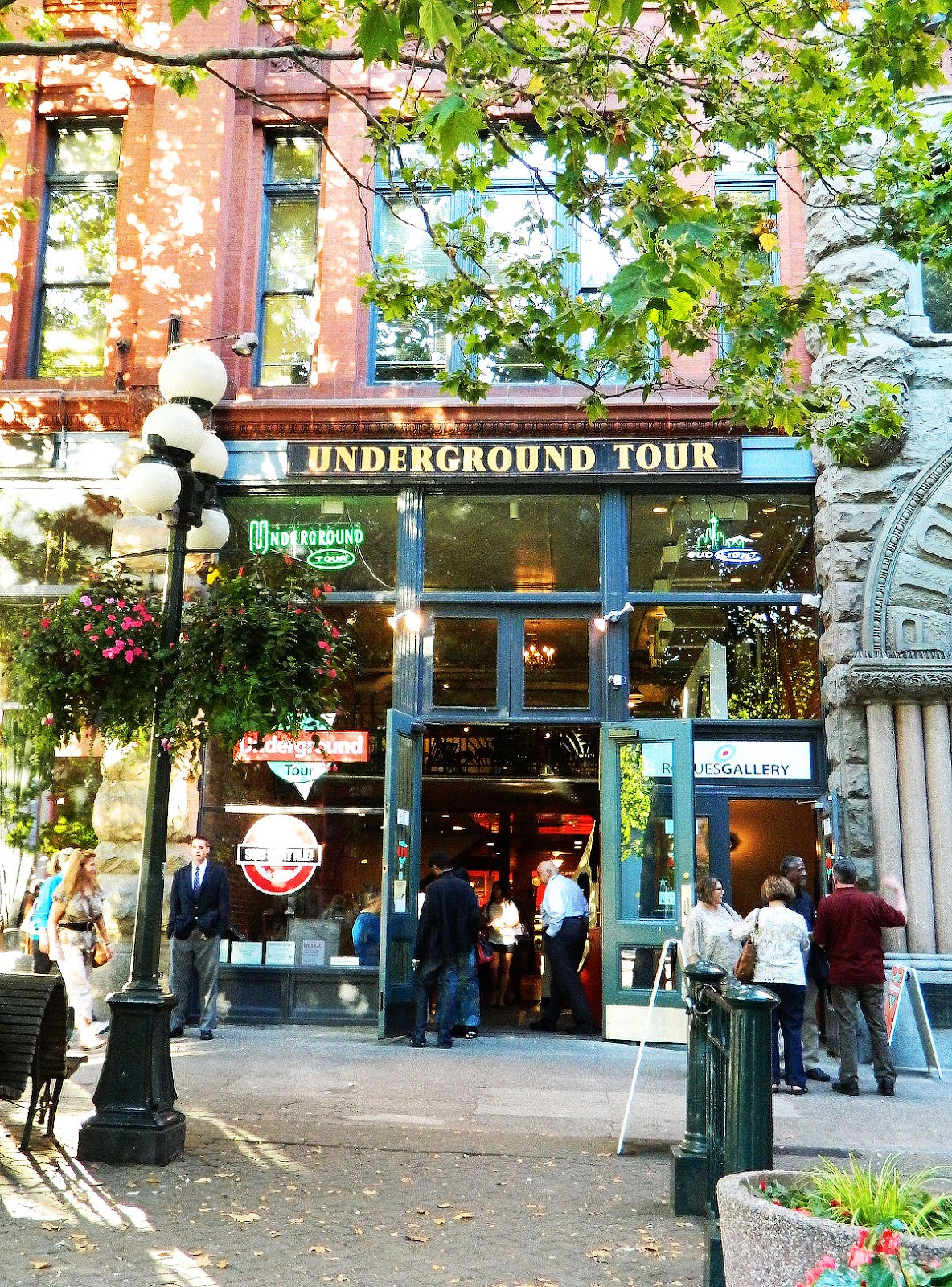 History is a fascinating subject for many people. Not that old, musty tired and worn version you sometimes got in grade school when the teacher had been over the same facts and figures so many times that their own boredom rubbed off on the dazed students taking class, but the energized live and in your face variety you get by going and doing. There's nothing like standing on a snowy field in Valley Forge, Pennsylvania looking out over the same view a soldier might have shared two hundred and some odd years before. Or stepping down into the stone dungeons in Salem, Massachusetts coming to a stunned realization of how ugly religious fervor can become. Or looking down onto the deck of the sunken battleship Arizona in the waters of Pearl Harbor.
History can be made to come alive if you let it have a chance.
Going down below is in many cities a lesson in both history mixed with a little pre-Halloween macabre. The catacombs of Paris. The New York subway system. The aforementioned Salem dungeons. The sewer system of Los Angeles -- where the giant ants hid in the movie THEM! The feeling of descending down into the bowels of a city is both intriguing and somewhat frightening at a visceral level. So it was when we started off on our recent evening tour of the Seattle Underground, which explores three different underground walkways in the city's historic Pioneer Square.

The tour, entitled "Bill Speidel's Underground Tour" starts at an old 1890's era saloon. Your host and guide begins by describing a few of the challenges, heroes and villains of early Seattle. Done deliberately tongue in cheek, the story does nobody any favors in reminding the attendees of how some of the planning -- or lack thereof -- ended in mishap (or worse) for the early citizens. This isn't a scary story, nor is it one of truly gifted and heroic city founders. It's a story of human beings, and the unexpected consequences of ill-conceived ideas. That Seattle grew and thrived is itself the heroic story here, because at many points of the tale it seems as if everyone would have been better off packing up and moving to more stable environs.

Stability is the key. Or was, it seems. Urban planning didn't hold much sway in the early days, and the tour does not shy away from the at-times nose-holding results of bad ideas. (The simple reality of high tide versus low tide apparently caught the early settlers of Pioneer Square completely by surprise.)

Bill Speidel, a mid-sixties historian dedicated to the preservation of the Pioneer Square district when it was in imminent danger of being bulldozed under, ran an ad in local papers for a walking tour of the Seattle Underground. He expected a handful of participants, if any. More than 500 showed up, beginning a long tradition of tours and support for keeping the past alive with a touch of humor to guide the way.
is a leisurely, guided walking tour beneath Seattle’s sidewalks and streets. As you roam the subterranean passages that once were the main roadways and first-floor storefronts of old downtown Seattle, our guides regale you with the stories our pioneers didn’t want you to hear. It’s history with a twist!
And if the Underground Tour's Marketing Department doesn't convince you, hopefully I will…
 Which brings me to the second recommendation, and you'll be thrilled that it is mere steps from the Underground Tour's gift shop. Since you'll likely be wanting lunch, dinner, or maybe just a good stiff drink after wandering the underbelly of the Pioneer District, you'll be pleased to note that one of the city's oldest -- belay that, THE oldest -- saloon in the city is directly across the street. In fact, on your tour, you will have completely circumnavigated it as you go from one passageway to the next.
  The Merchants Cafe and Saloon, at 109 Yesler Way in Pioneer Square was a genuinely pleasant surprise. The owner happened to be out in the alleyway behind the cafe as our tour group emerged from the bowels of the city. Dillon -- "That's Dill-ON!" -- saw a couple of us shooting the alleyway and immediately jumped in on the action, hiding behind a bush and pretending to stalk the tour group. (Not many better ways to get on my good side that by playing along.) He mentioned that we would be welcome back after the tour, and that he had "Great Grandma's Chowder" as one of the specials for the night.
Who can resist a cup of Grandma's Chowder, especially coming from a guy like Dillon? Not us, and an hour later we were sitting ourselves down in the center of the wonderfully atmospheric restaurant and bar. Sporting a truly haunting history which matches the classic decor, the cafe is a great place to grab a meal or just a drink. Highly recommended are the chowder -- we had a cup but wished we'd ordered a couple of bowls, to be honest. Bacon, yes bacon, in the chowder!!! -- and the salmon burger named for the Native American who gave the city its name, Chief Seattle. My wife and I both had the Hot Wings Salad, featuring Great Grandma's recipe -- highly recommended if you've got asbestos lips. Really, really good.

The menu is a hoot, the food is delicious and the people were all friendly, helpful and well into the atmospherics of the place. Dillon's done an excellent job re-invigorating the place with an eye toward the past and a well-considered, flavorful menu. And being just a genuine and great guy doesn't hurt.
Certainly worth an extra side trip, but even more fitting if you've just clawed your way up from down below.


